
Resources for Architects & Specifiers
Practical guides for architects, specifiers, general contractors and facility managers: how to specify operable walls and folding glass, what STC ratings mean, and how to choose raised access floors and lockers. From LG2 LLC in Grand Rapids, Michigan.
Looking for manufacturer brochures or tech data? See Tech Data & Brochures
Showing 15 guides
 Specifying11 min read
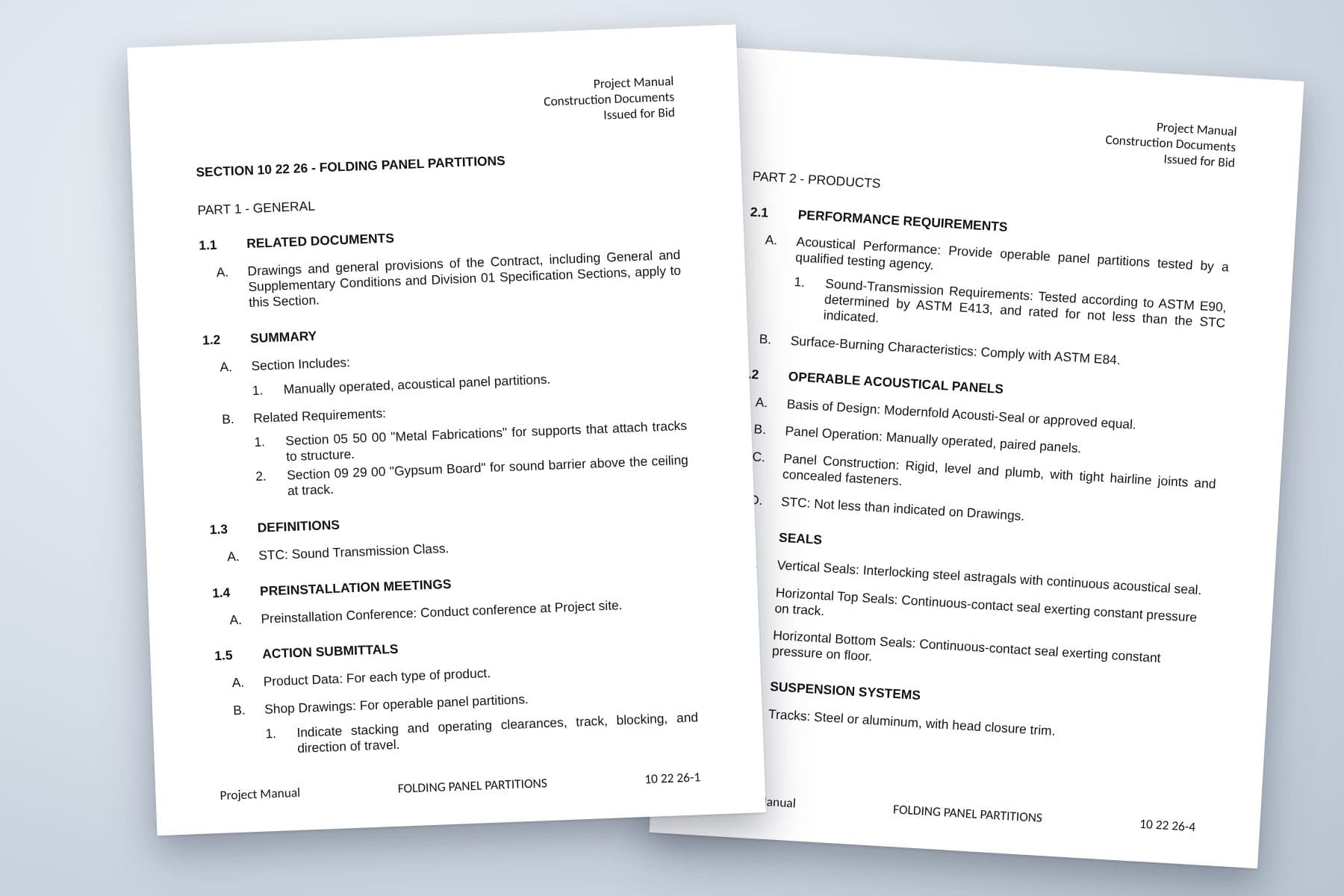
How to Specify an Operable Wall: A Checklist for Architects
Room program, STC, opening size, stacking, overhead support, operation and finishes: the decisions that shape an operable wall spec, in the order they usually come up.
Read the guide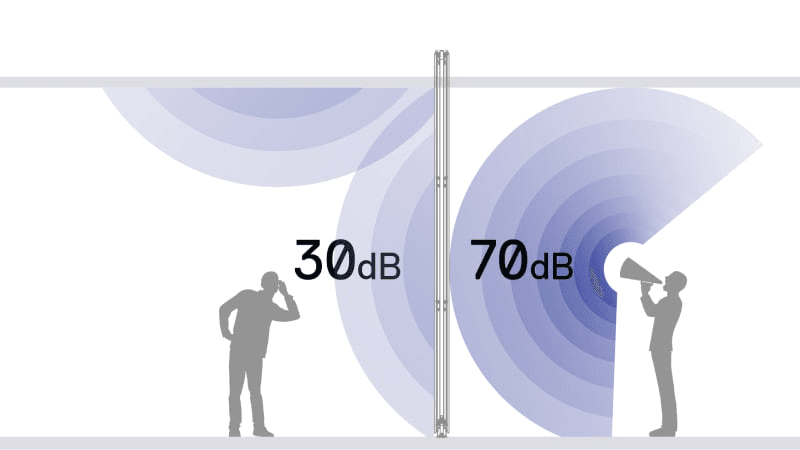 Operable Walls10 min read
STC Ratings Explained for Operable Partitions
How STC is measured, how operable walls compare with fixed walls, and the plenum, floor, seal and flanking details that decide how the finished room actually sounds.
Read the guide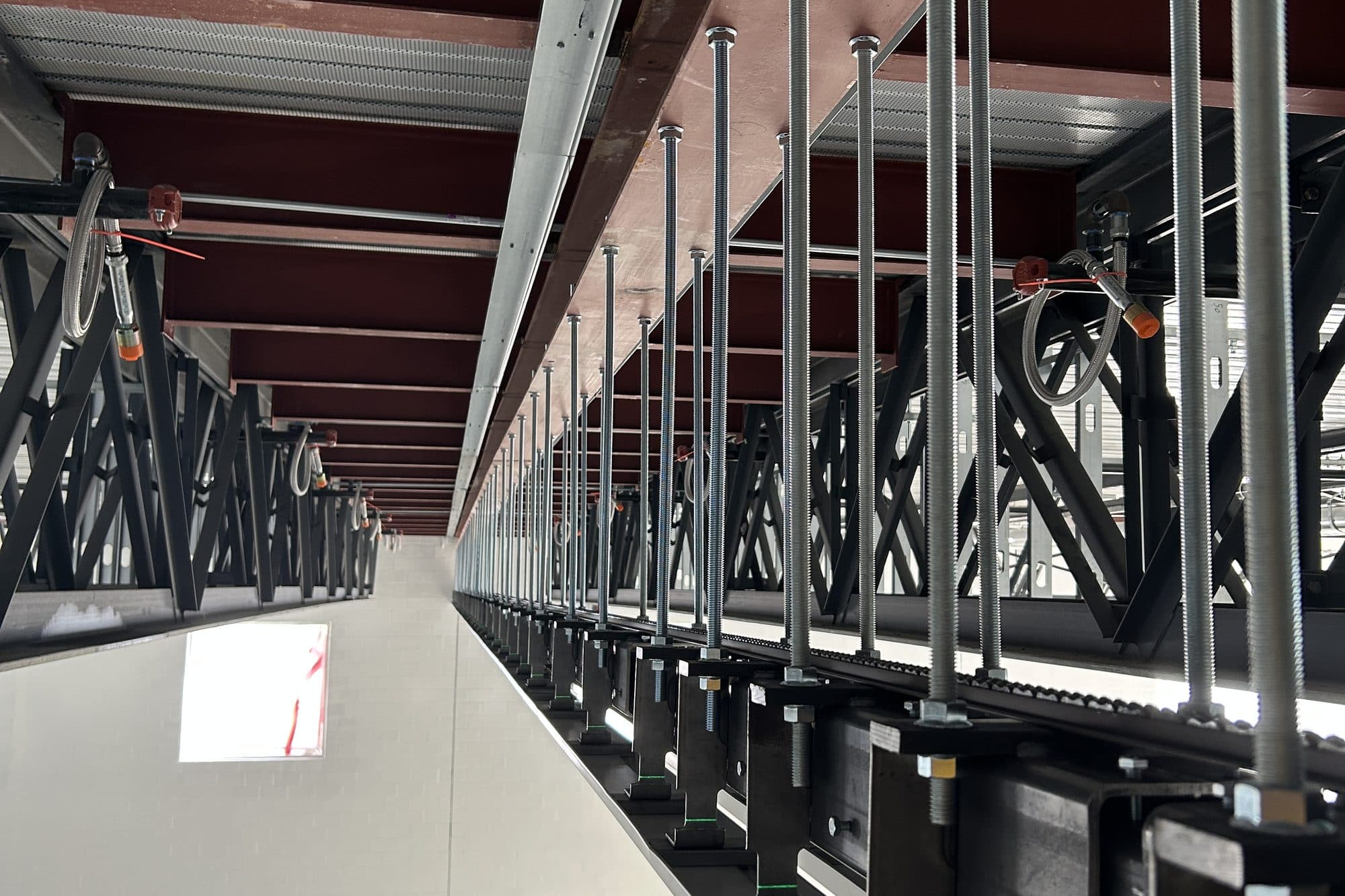 Specifying5 min read
Overhead Support and Beam Deflection for Operable Walls
Operable walls hang from the structure above them. What architects and engineers should coordinate about track support and beam deflection, and when to do it.
Read the guide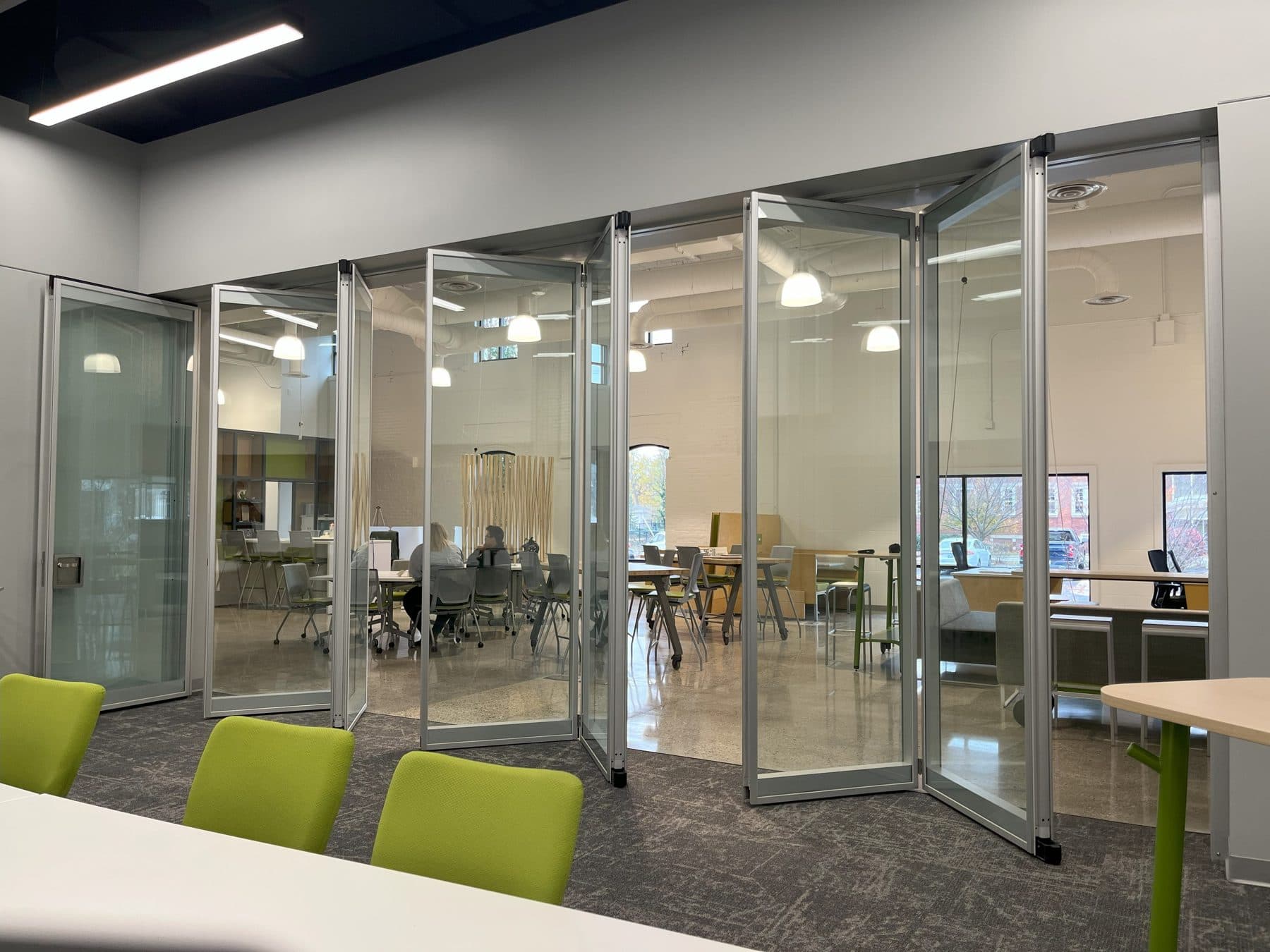 Folding Glass4 min read
Folding Glass vs. Folding Panel Partitions: How to Choose
Daylight, acoustics or both? How Modernfold glass and solid panel operable walls compare on STC, privacy options, operation, height and finishes.
Read the guide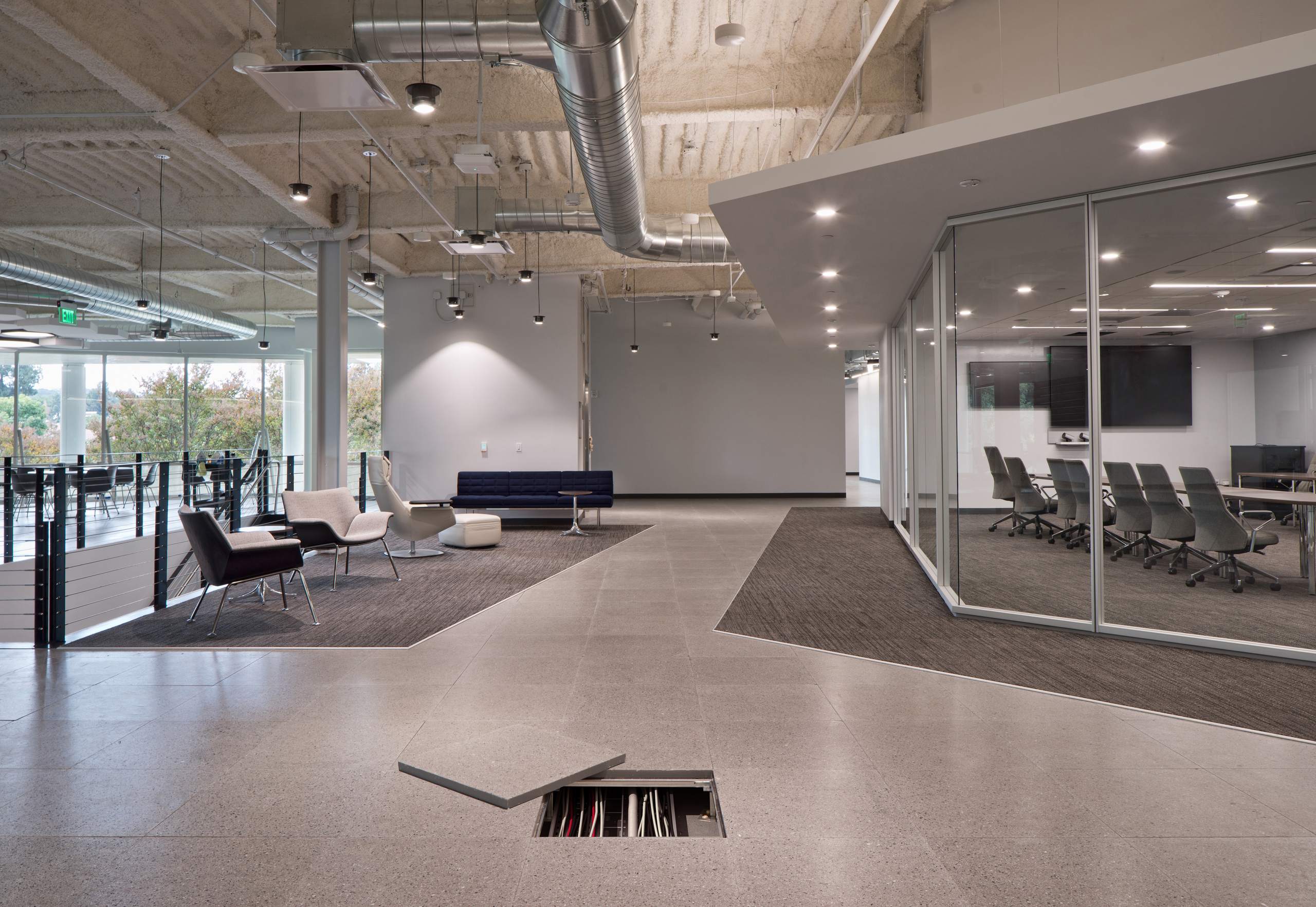 Raised Floors4 min read
Raised Access Floors: Panels, Understructure and Airflow Basics
Load ratings, bolted stringer vs. Posilock, floor heights, airflow panels and finishes: the four decisions behind a raised access floor spec.
Read the guide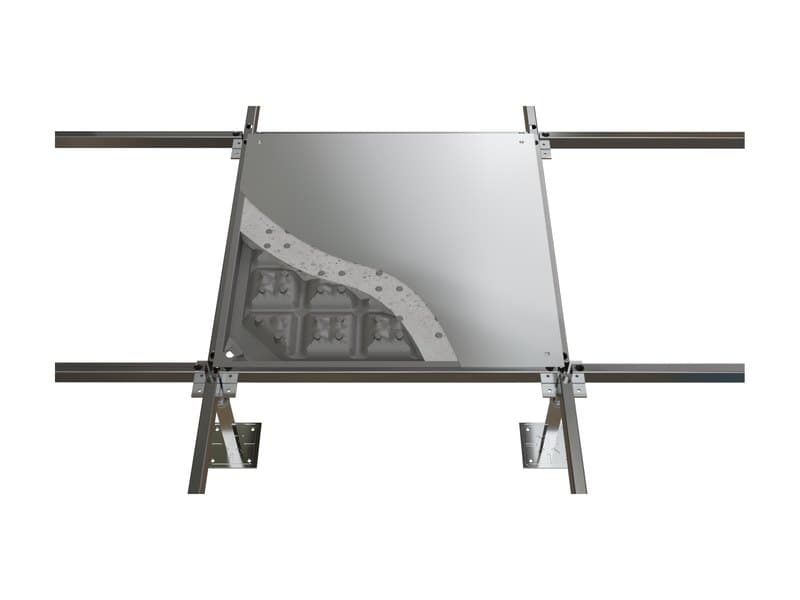 Raised Floors7 min read
Underfloor Air Distribution (UFAD) with Tate Raised Access Floors
A pressurized plenum under a Tate access floor delivers conditioned air through floor diffusers, with much less overhead ductwork. How it works and what to coordinate.
Read the guide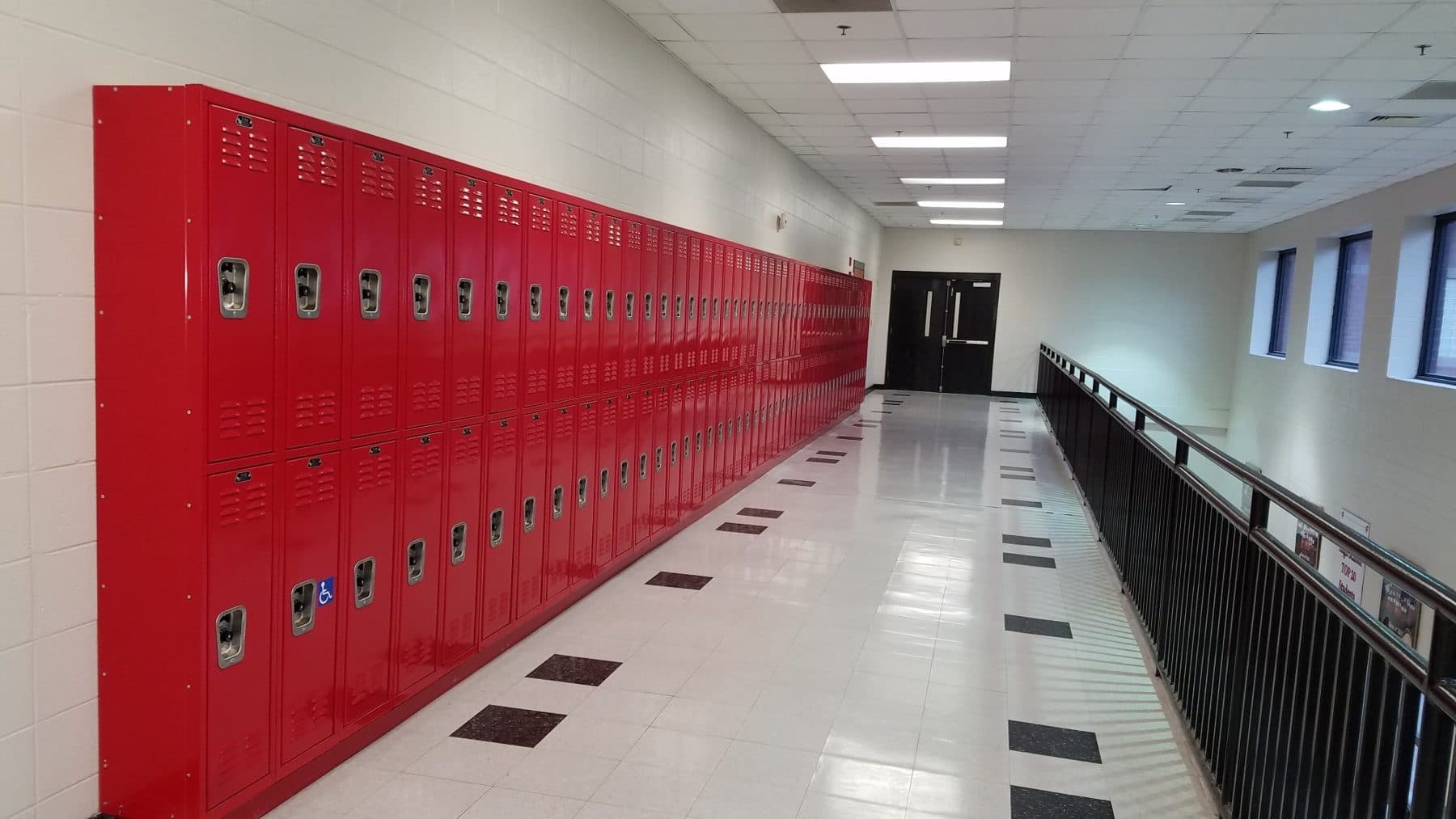 Lockers4 min read
Choosing School Lockers: Metal, Plastic, Phenolic and Wood
Start with the room, then pick the material, tiers, doors and locks. How metal, HDPE plastic, phenolic and wood lockers compare for corridors, locker rooms and pools.
Read the guide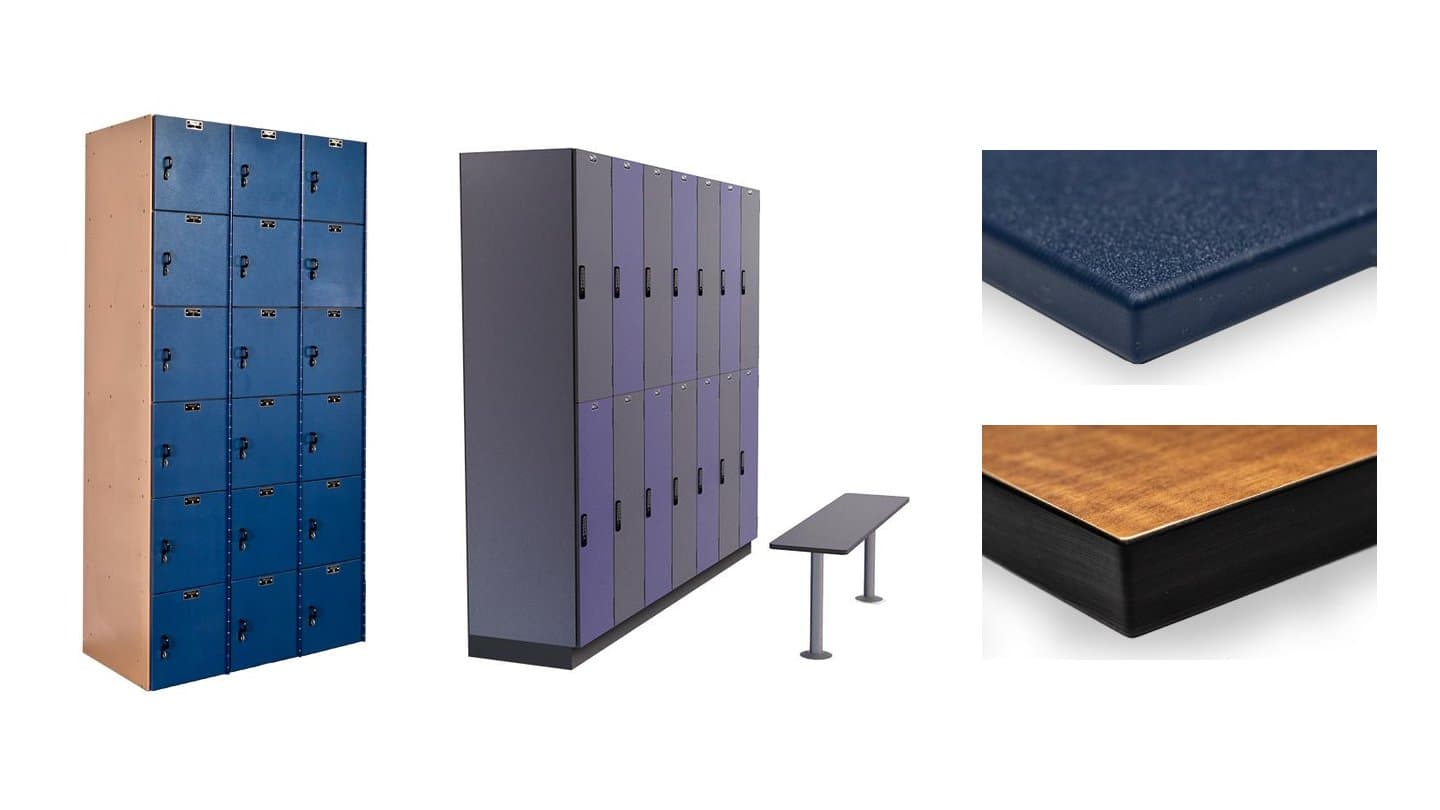 Lockers9 min read
Plastic and Phenolic Lockers for Pools, Showers and Wet Areas
Pool and shower rooms are hard on lockers: constant moisture, humid air and chlorine compounds. Why solid HDPE plastic and solid phenolic hold up, and what to specify for ventilation and hardware.
Read the guide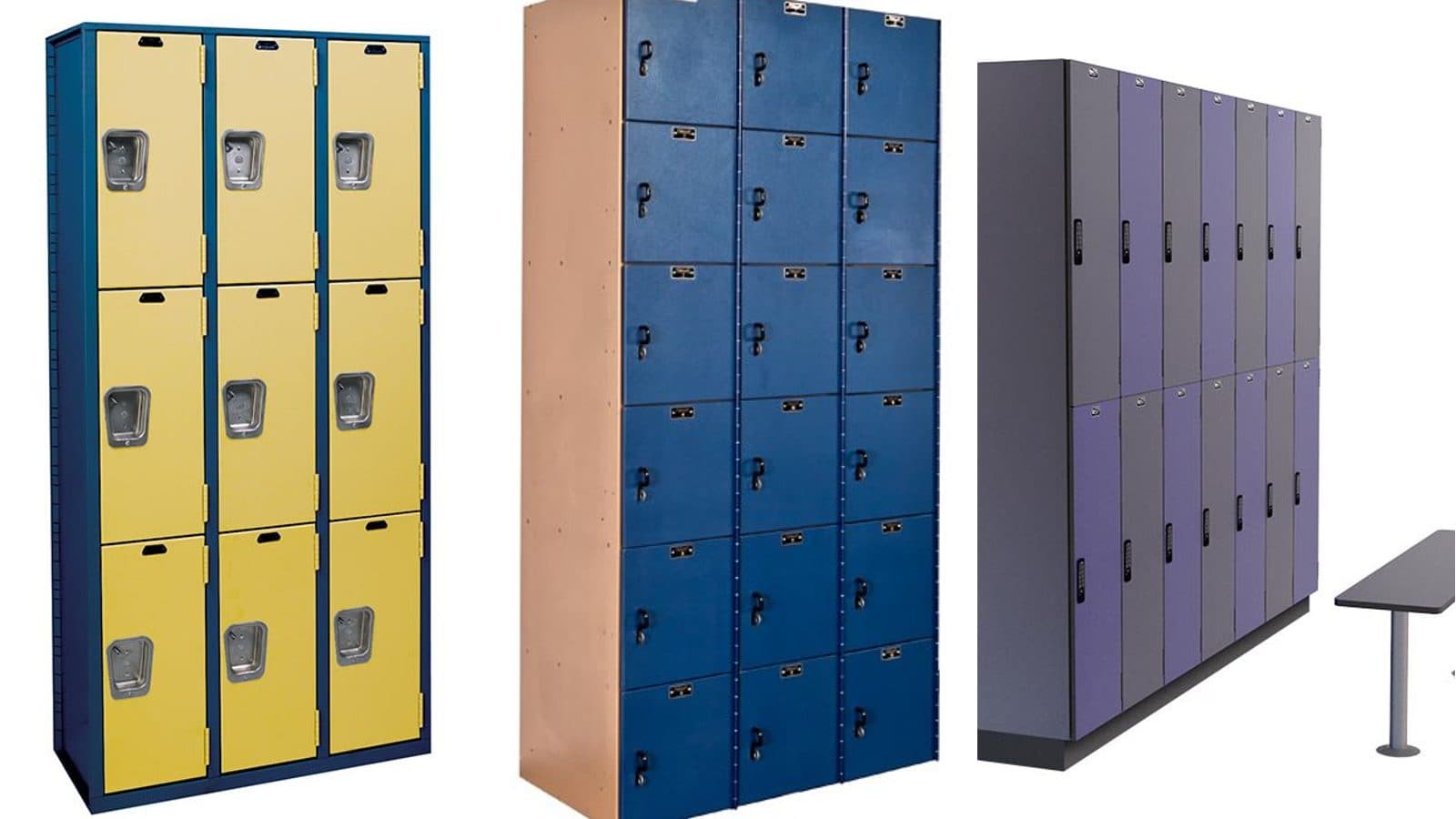 Lockers9 min read
Metal vs. Plastic vs. Phenolic Lockers: Lifespan, Durability and Total Cost
Steel, solid HDPE plastic and solid phenolic each win in different rooms. A side-by-side look at warranties, moisture and corrosion, fire ratings, vandal resistance, ventilation, appearance, lead time and total cost of ownership.
Read the guide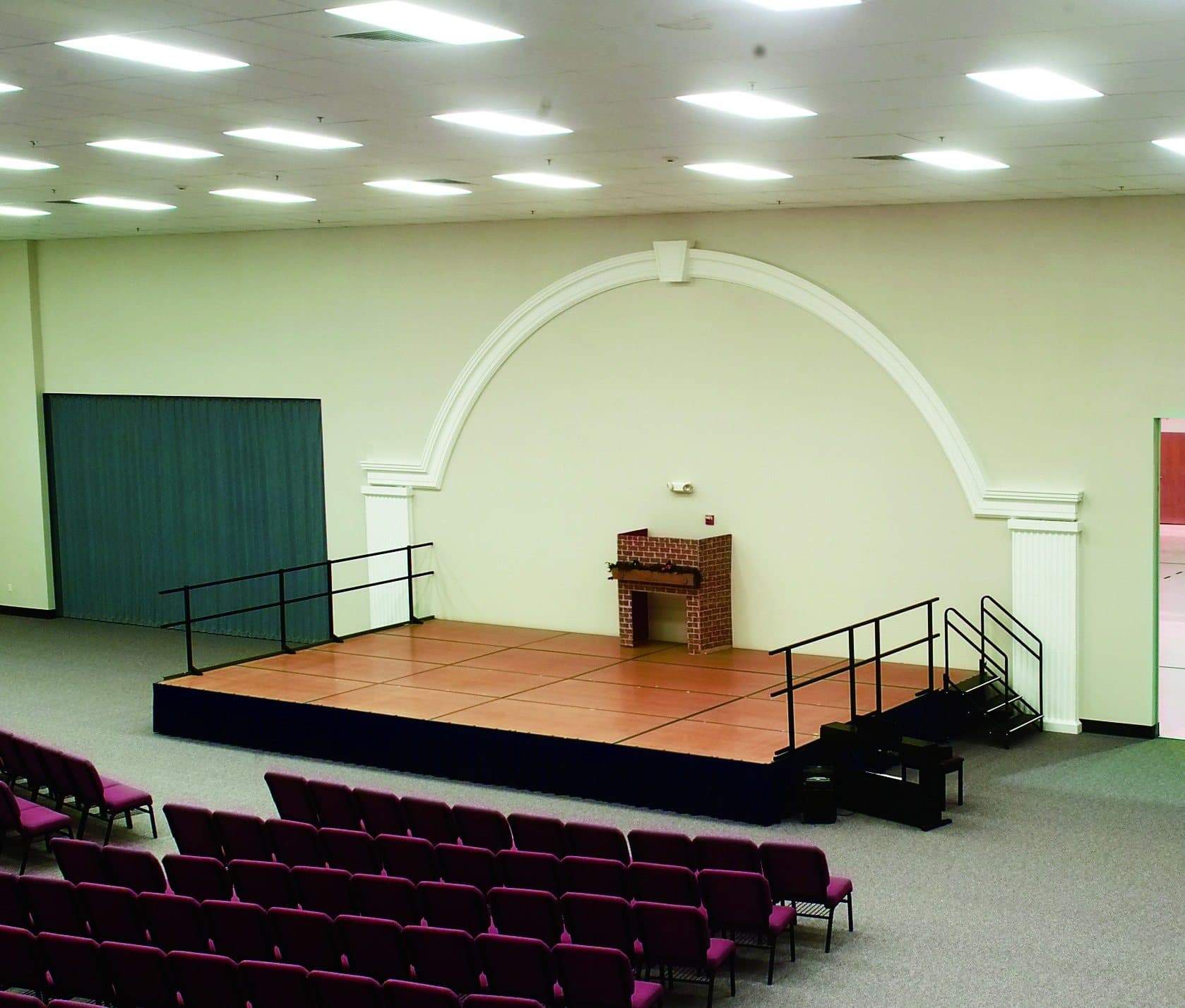 Operable Walls5 min read
Room Dividers for Gyms and Churches: Divider Walls, Partition Walls and Folding Walls Compared
Gym curtain, accordion wall or folding panel wall? How to choose a room divider for a gym, sanctuary, fellowship hall or classroom, and what each one does for sound.
Read the guide Raised Floors6 min read
Raised Floors for Server Rooms and Computer Rooms: Height, Loads, Airflow and Repair
A practical guide to raised floors for server rooms and computer rooms: how high, how strong, where the airflow panels go, which finish to use, and what to do when an older floor needs replacement panels or repair.
Read the guide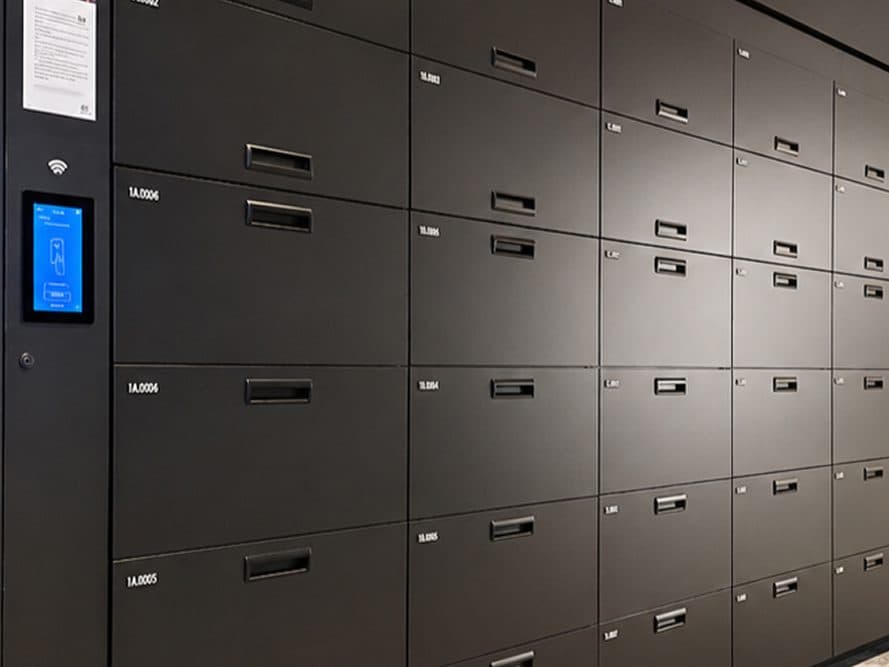 Lockers4 min read
Employee and Workplace Lockers: How to Choose Lockers for Break Rooms, Plants, Warehouses and Offices
Assigned or shared? How many tiers? Steel, laminate or plastic? Keys, combinations or smart locks? A step-by-step guide to buying employee lockers that still work years after install day.
Read the guide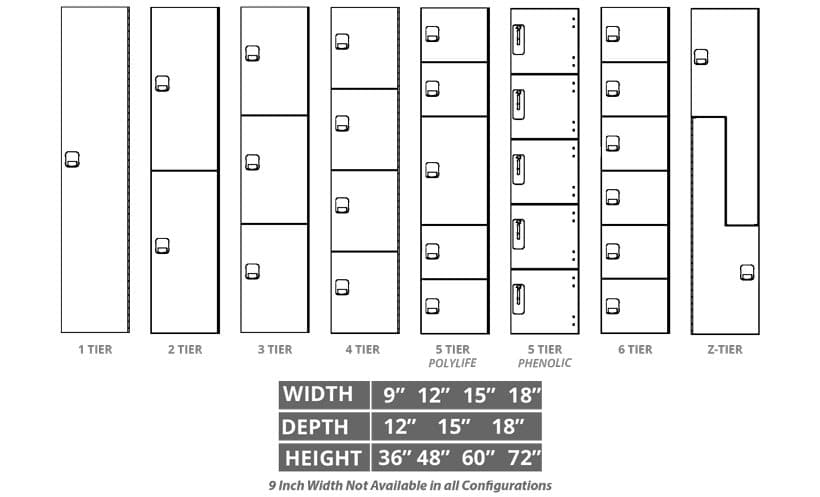 Lockers4 min read
How to Write a Locker Specification: Division 10 51 00 Sections, Checklist and Common Mistakes
Pick the right 10 51 00 section, describe the lockers by performance and configuration, name multiple manufacturers and cover accessibility, bases, anchoring and submittals. A section-by-section checklist.
Read the guide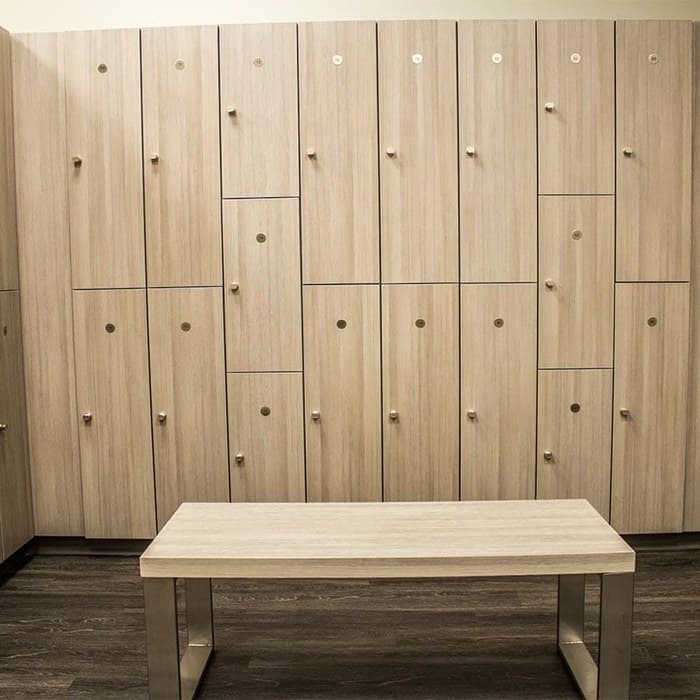 Lockers4 min read
ADA Locker Requirements: How Many, Reach Ranges, Hardware and Benches (2010 ADA Standards)
At least 5 percent, but no fewer than one of each type. Shelves and hooks within 15–48 inches. One-hand hardware, 5 lbf max. Here's what the 2010 ADA Standards require for lockers and locker room benches, with section numbers.
Read the guide Operable Walls5 min read
Hufcor and Panelfold Operable Wall Replacement Options: Service, New Panels on the Existing Track, or a Full Replacement
Your Hufcor or Panelfold wall is hard to move, leaks sound or has damaged panels. Should you repair it, put new panels on the existing track or replace the whole system? A side-by-side comparison and a checklist.
Read the guide